Back to School Education Planning
In the modern landscape of professional development and personal organization, Back to School Education Planning has evolved far beyond a seasonal checklist for students. For entrepreneurs, marketers, educators, and small business owners aged 20 to 50, this concept represents a strategic framework for resetting objectives, optimizing workflows, and aligning daily operations with long-term goals. It is not merely about acquiring new supplies; it is about adopting a structured mindset that prioritizes clarity, efficiency, and measurable outcomes.
The essence of effective planning lies in the transition from reactive chaos to proactive strategy. When individuals or organizations approach the start of a new cycle with intention, they create a foundation for sustained growth. This approach allows decision-makers to evaluate past performance, identify bottlenecks, and implement systems that enhance productivity. Whether you are launching a new course, rebranding a service, or simply managing a complex project portfolio, the principles behind Back to School Education Planning offer a robust method for organizing resources and maximizing potential.
Strategic Alignment and Goal Setting
One of the primary benefits of engaging in Back to School Education Planning is the opportunity to realign daily activities with overarching business or personal objectives. Many professionals fall into the trap of maintaining momentum without direction, executing tasks that feel urgent but lack strategic value. By dedicating time to plan, you can distinguish between high-impact initiatives and low-value distractions.
This process encourages a rigorous review of current positioning. Are your marketing efforts reaching the right audience? Is your educational content resonating with learners? Does your operational workflow support scalability? Answering these questions requires a clear vision. When you treat education planning as a strategic exercise, you transform vague aspirations into concrete action items. This clarity is essential for anyone looking to improve their competitive edge in a crowded marketplace.
- Define Clear Outcomes: Start by articulating what success looks like at the end of the quarter or year.
- Map Resources: Identify the tools, skills, and personnel required to achieve those outcomes.
- Set Milestones: Break large goals into manageable phases to maintain motivation and track progress.
The Role of Visual Tools in Organizational Clarity
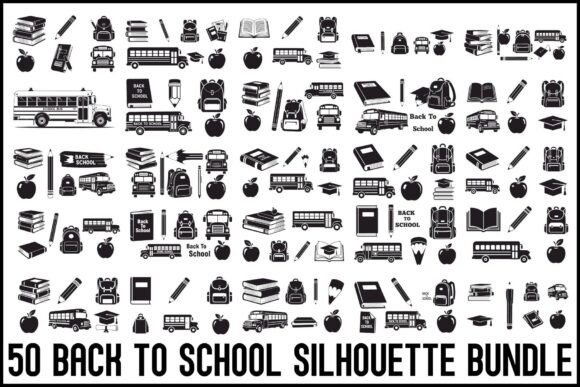
While digital calendars and project management software are indispensable, there remains an undeniable power in visual planning aids. The integration of Back to School Education Planning essentials vector illustration with books notebooks calendar and study tools serves as more than just decoration; it acts as a cognitive anchor. These visuals represent the tangible components of learning and organization: the book symbolizing knowledge acquisition, the notebook for recording insights, the calendar for time management, and the study tools for execution.
For creators and designers, having access to high-quality assets is crucial. Consider the specific utility of downloading a High Quality PNG featuring these elements. With a resolution of 4500px X 4500px pixels at 300 dpi, these images provide the versatility needed for both web and print media. The inclusion of Transparent Backgrounds ensures that these graphics can be seamlessly integrated into various design contexts without clashing with existing layouts.
This level of detail supports professionalism. Whether you are designing a landing page for an online workshop or creating a physical brochure for a corporate training seminar, the quality of your visual assets directly influences perceived credibility. A crisp, high-resolution image communicates that you care about the user experience and the integrity of your brand.
Practical Applications Across Industries
The versatility of these design elements extends across numerous sectors. While often associated with academic settings, the imagery of organized study tools resonates deeply with any field requiring discipline and structure.
Wedding Planners and Event Coordinators
Although the theme suggests education, the underlying aesthetic of preparation and celebration translates beautifully to event planning. These designs can be adapted for wedding websites, banners, and invitations. The "planning" aspect of the imagery aligns perfectly with the meticulous nature of organizing a wedding. You might use these graphics on Save the Date cards, seating charts, or table numbers to convey a sense of order and joyous anticipation.
Social Media and Branding
For freelancers and bloggers, consistent visual branding is key to building an audience. Using these vector illustrations on social media posts helps establish a recognizable style. They work exceptionally well for branding materials for florists, photographers, and other creative professionals who need to showcase their attention to detail. A cohesive look across mugs, posters, pillows, and t-shirts can turn a business into a lifestyle brand.
Printable Kits and Merchandise
The ability to download and print your own assets offers significant cost savings and flexibility. Small business owners can create printable kits, tags, and stickers that reinforce their message. Whether you are selling bridal shower decor or educational materials, having a library of high-resolution, transparent-background images allows for rapid prototyping and iteration.
Approaching Planning with Intentionality
To derive maximum value from Back to School Education Planning, one must avoid treating it as a routine checkbox. Instead, view it as a deliberate intervention in your workflow. This involves asking difficult questions about your current methods and being willing to discard practices that no longer serve your goals.
Risks of Unstructured Planning
Without clear goals, planning can become a form of procrastination. Spending hours organizing a calendar without defining the tasks within it leads to a false sense of productivity. Similarly, relying solely on generic templates without adapting them to your specific context can result in misalignment. If you do not understand the unique challenges of your industry, a standard plan may fail to address critical risks.
Decision-Making Guidance
Effective planning requires making tough decisions. It means saying no to opportunities that distract from core priorities. It involves allocating resources to areas with the highest return on investment. When using tools like the vector illustrations mentioned, ensure they are part of a broader strategy. Do not let the visual appeal of a design overshadow the substance of the message it conveys.
Integrating Creativity and Operations
The intersection of creativity and operations is where true innovation happens. By combining the artistic expression found in custom illustrations with the rigor of operational planning, professionals can create systems that are both inspiring and functional. For example, a photographer might use a branded planner graphic to outline their shooting schedule for a client, blending their artistic identity with logistical necessity.
This hybrid approach fosters a culture of excellence. When teams see that their leaders prioritize both the big picture and the details, they are more likely to engage deeply with their work. It signals that every element, from the color of a font to the structure of a curriculum, matters.
Long-Term Value and Continuous Improvement
The ultimate goal of Back to School Education Planning is not just to survive the upcoming term or fiscal year, but to build a sustainable model for growth. This requires a commitment to continuous improvement. After implementing your plan, you must measure results against your initial objectives. What worked? What didn't? How can the process be refined?
This iterative cycle is vital for longevity. Markets change, technologies evolve, and consumer preferences shift. A static plan will eventually become obsolete. However, a dynamic planning process—one that incorporates feedback and adapts to new information—remains relevant over time. By treating each planning cycle as a learning opportunity, you position yourself to navigate uncertainty with confidence.
Furthermore, the act of planning itself builds resilience. When you have a roadmap, unexpected challenges feel less daunting. You know where you are going and have the tools to get there. This psychological benefit cannot be overstated. It reduces stress and frees up mental energy for creative problem-solving.
Conclusion on Strategic Execution
Whether you are an educator designing a new syllabus, a marketer crafting a campaign, or a small business owner preparing for a busy season, the principles of Back to School Education Planning provide a valuable framework. It is about bringing order to complexity and focus to ambition. By leveraging high-quality visual assets and adhering to a disciplined planning process, you can achieve better results and foster a culture of excellence.
Remember that the tools you use—from digital calendars to vector illustrations—are only as effective as the strategy behind them. Use them intentionally. Define your goals clearly. Align your resources accordingly. And always remain open to refining your approach based on real-world outcomes. In doing so, you transform the simple act of planning into a powerful engine for success.